Hey CXO, here's a little you didn't know
Is working from home and remote working the same? Maybe not...


The world shut down four months ago, millions of people lost their jobs and half a dozen employees were asked to Work From Home. Now, that's extraordinary but not so hard to do, due to the technology that has made it possible for diverse industries to work from anywhere outside their office.
Understanding the difference between working from home and remote working is not the same, my friend.
Businesses need to start creating a viable remote working plan, that's a high priority task to think about, but it's not the same as simply having members of your team work from home.
Traditionally, work from home was something you would do on a lazy Friday where you would like to work from home and get prepared for the weekend with a glass of wine and a good movie. That's wonderful, but you still did have an office to return to. An office where you can meet the rest of the employees, discuss about work issues and about the traffic.
Remote working is different.
Let's define it - Remote working is a working style that allows employees to work outside of a traditional office environment. It is based on the concept that work does not need to be done in a specific place to be executed successfully.
Remote employees can execute their projects and surpass their goals wherever they please. People have the flexibility to design their days so that their professional and personal lives can be experienced to their fullest potential and coexist peacefully. Sounds fun, huh?
Sure, but it's not something extra. It doesn't elaborate more about the place that you do "work," but rather, it's the way you work.
Understanding the difference is critical because if you haven't already, it's time to come up with a plan for how your business will turn the "work mode" ON of your employees. Considering the fact that employees, like the option to continue working remotely, it's certainly something that businesses are facing. So, it seems like this is a good time to get a little clarity about what's required to make remote working, work.
Technology

If your team works remotely, there's no guarantee they'll have access to the same tech that you provide for them in an office. And, since the type of work they may be doing is likely to be different, you'll want to make sure they have what they need.
Sure, it's easy to think about making sure everyone has a laptop, but what about a fast Wi-Fi connection? Or, if they have a router that gives them a fast enough connection, will it be secure?
Those are important questions, and as an employer, it's up to you to provide the technology that can help your team stay connected, engaged, and productive. Fortunately, that doesn't have to be complicated.
Communication
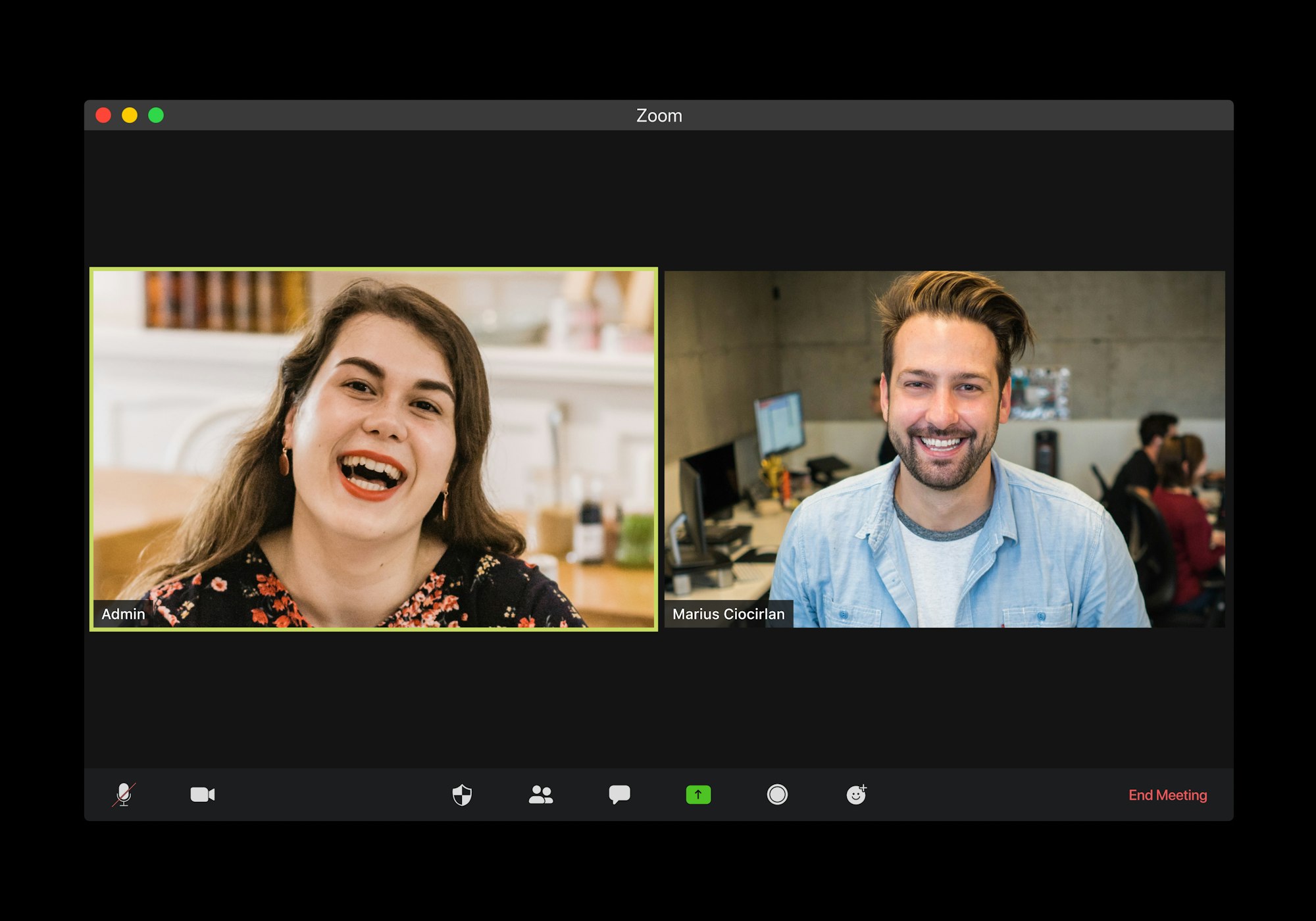
This is probably the biggest challenge when working remotely, since the everyday everyday conversations that happen in an office don't take place, anymore. They don't run into each other in the hall or have a quick conversation.
Instead, having a remote team means an approach needs to be taken to keeping everyone connected and engaged. One of the most important things to consider about is to have regular check-ins with the team. These should include checking their general mental and emotional conditions. As well as an opportunity to talk through and establish goals for what we're working on, and then evaluate progress and performance.
If you don't, your team will feel isolated and disconnected from each other, and more crucially, from the mission you're trying to accomplish together.
Tools

Thanks to the innovative techies out there who have built tool to make our lives easier, we've got plenty tools to make remote working a success. From Slack, Zoom and Google Meet to tools like Basecamp, Trello or JIRA make it easier for your team to stay on task, especially when working together on collaborative tasks and projects.
Think about it this way, every process you might have in an office needs some kind of digital tool to help you continue working together, even when you aren't--at least not physically.